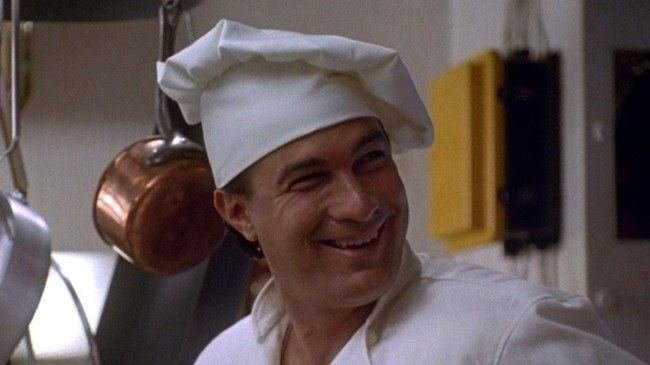
If you're looking for a definitive Casey Ryback character analysis & development, you've come to the right place. From the moment he first appeared on screen, Ryback captivated audiences not just as a conventional action hero, but as a man of hidden depths, unparalleled skills, and an unwavering moral compass, even when stripped of his formal rank. He embodies the classic underdog story, forced to rise to an impossible challenge.
Casey Ryback isn't just a name; he's a legend born from the unlikeliest of circumstances—a decorated Navy SEAL demoted to cook, only to become the last line of defense against terrorists. His journey across two films offers a fascinating study in resilience, transformation, and the enduring power of an underestimated hero.
At a Glance: The Essence of Casey Ryback
- The Unlikely Hero: Starts as a demoted cook, reveals himself as a highly trained Navy SEAL.
- Skill Set: Master of martial arts (Aikido, combatives), explosives, special weapons, and tactics, with top-tier culinary skills.
- The Backstory: Demoted from SEAL Team Four leader for striking his CO after a botched mission (Operation Nifty Package) led to his team's demise.
- Character Arc: Restored to his former position after Under Siege, eventually retiring as a Lieutenant.
- Key Distinction: Initially underestimated by foes; later, his formidable reputation precedes him.
- Physical Presence: Portrayed by Steven Seagal, standing 6 ft 5 in, embodying a stoic, imposing figure.
The Man Behind the Chef's Hat: Ryback's Unlikely Origin Story
Before he was saving the day in a grease-stained apron, Casey F. Ryback was a force to be reckoned with. Born August 6, 1953, Ryback’s military career was, initially, nothing short of stellar. He wasn't just a Navy SEAL; he was a decorated leader of SEAL Team Four, an elite operator with a record that spoke volumes. His service was marked by immense courage and capability, earning him multiple honors including the Navy Cross, Silver Star, and Purple Heart with clusters. This wasn't some rookie; this was a seasoned warrior, revered by those who knew his true prowess.
However, a tragic incident fundamentally altered his trajectory. During Operation Nifty Package—the invasion of Panama—Ryback and his team were sent on a critical mission to disable General Manuel Noriega's private jet. Poor intelligence led to the decimation of his team. In a moment of raw grief and indignation, Ryback struck his Commanding Officer, a direct breach of military protocol. The consequences were severe: loss of his security clearance and a demotion to Chief Petty Officer (CPO) and, perhaps most symbolically, a culinary specialist aboard the USS Missouri. This wasn't just a career setback; it was a profound fall from grace, leaving him isolated and undervalued, ostensibly just a cook in the ship's galley.
This backstory is crucial. It imbues Ryback with a quiet strength, a simmering anger, and a deep sense of loyalty that defines his character. He's not just a blank slate action hero; he carries the weight of past trauma and injustice, making his eventual heroic stand all the more compelling.
From Demoted Cook to Unstoppable Force: The Under Siege Transformation
The first Under Siege film (1992) masterfully sets the stage for Ryback’s dramatic re-emergence. The entire premise hinges on one central misunderstanding: the mercenaries, led by the flamboyant William Strannix, underestimate him as "just a cook." This underestimation is the very catalyst for his heroic transformation.
The Underestimation Factor: A Hero in Disguise
When Strannix's team takes over the USS Missouri, their meticulous planning fails to account for the one man who could dismantle their entire operation: the ship's unassuming culinary specialist. They see the white uniform, not the Special Warfare insignia hidden beneath. This initial dismissal allows Ryback to move through the ship unnoticed, gathering intelligence, improvising weapons, and systematically neutralizing threats. The audience is privy to his true identity, making the mercenaries' ignorance a source of dramatic irony and mounting tension. His ability to blend in, almost invisible to his foes, becomes a powerful asset.
Unveiling the Warrior: A Masterclass in Diverse Skills
As the plot unfolds, Ryback sheds his chef's whites, literally and metaphorically, revealing the ultimate warrior. His top training in martial arts (a blend of Aikido with striking and kicking), explosives, and special-weapons and tactics comes to the forefront. He's not just a brawler; he's a strategist, using the ship's layout, his knowledge of military operations, and even his culinary tools to his advantage. A kitchen knife becomes a deadly weapon, a microwave a bomb, and a meat locker a tactical stronghold. This blend of high-level military training and practical, improvisational skill is what makes his character so engaging. He’s the MacGyver of action heroes, but with a SEAL’s precision.
Motivation and Stakes: Reclaiming Honor and Saving Lives
Ryback's motivation extends beyond mere survival. He's driven by a fierce loyalty to his former shipmates (even those who scorned him), a deep sense of justice, and a quiet desire to reclaim the honor that was unfairly stripped from him. The USS Missouri isn't just a vessel; it's a symbol of his past, his country, and the innocence he's fighting to protect. The stakes are profoundly personal for him, elevating his actions from simple heroics to a deeply resonant quest for redemption.
Costuming as Symbolism: The Visual Arc
The progression of Ryback's attire is a subtle but potent visual representation of his character's journey.
- White Cook's Uniform: Symbolizes his demotion, his hidden status, and the public perception of him. It’s a uniform of service, but one of low status.
- Olive Tank Top: As he sheds the chef's uniform and begins his counter-attack, the tank top reveals his imposing physique, signaling the re-emergence of the warrior. It's practical, unadorned, and ready for combat.
- All-Black Garb: By the film's climax, Ryback is often seen in all-black, a classic uniform of stealth and definitive action. It's the ultimate transformation into the "ultimate warrior," prepared for the final confrontation, a shadow moving through the ship to deliver justice.
This visual transformation, from servant to soldier, underscores the core thematic development of Casey Ryback.
Evolution of a Hero: Casey Ryback in Dark Territory
By the time Under Siege 2: Dark Territory arrived in 1995, Casey Ryback's status had profoundly changed. The events of the first film led to his former position being restored, a testament to his bravery and skill. This time, however, the playing field was different.
Post-Under Siege Status: A Lieutenant in Retirement
At the beginning of the sequel, Ryback had retired from the Navy as a lieutenant, an O-3 rank, signifying a direct commission after his heroics on the Missouri. He wasn't just a cook anymore; he was a recognized hero who had served 20 years in the Navy, now living a quiet life as a chef at the Mile High Cafe in Denver, Colorado. This career shift indicates a desire for a life away from conflict, a return to the culinary passion that seemingly grounded him, despite his warrior capabilities.
New Life, Old Habits: Back on a Collision Course
Naturally, Ryback's retirement doesn't last long. A family trip aboard a cross-country train, the Grand Continental, quickly turns into a nightmare when hijackers take control. The central conceit remains: Ryback is in the wrong place at the wrong time, but this time, he’s not alone; his niece is with him, raising the personal stakes significantly. The narrative pushes him back into action, demonstrating that some men are simply destined for heroism, regardless of their preferred profession.
The Recognized Threat: Hijackers Aware of His Reputation
A significant development in Dark Territory is that the antagonists, led by the brilliant but deranged Travis Dane, are fully aware of Ryback's reputation. They know exactly who he is and what he's capable of. This alters the dynamic considerably. There's no element of surprise for Ryback's identity; instead, the tension comes from how he, a single man, can overcome an enemy that anticipates his every move and has superior numbers and technology. This shift forces Ryback to be even more cunning, resourceful, and relentless. It's no longer about revealing a hidden warrior but proving that even a known quantity can be unpredictable and unstoppable. To dive deeper into the sequel's nuances, you can Explore Under Siege 2: Dark Territory.
Combat Progression: Adapting to New Challenges
Ryback's hand-to-hand combat techniques also show a subtle but important evolution. While the first film showcased his Aikido mixed with striking and kicking, the sequel incorporates more combatives, such as the rear naked choke and open guard. This suggests a more gritty, close-quarters, and efficient fighting style, suitable for the confined spaces of a train and the increased awareness of his opponents. It reflects a character who, despite retirement, remains sharp and adaptable.
The Ryback Blueprint: Deconstructing His Skills and Persona
What exactly makes Casey Ryback tick? His character is a carefully constructed blend of military precision, raw power, and an unexpected touch of humanity.
Military Prowess: The SEAL at His Core
Even as a cook, Ryback retains the core competencies of a Navy SEAL. This means:
- Tactical Acumen: He understands strategy, movement, and how to exploit vulnerabilities.
- Weapon Proficiency: Expertise with firearms, knives, and improvised weapons.
- Survival Instincts: The ability to navigate dangerous situations and turn disadvantages into opportunities.
- Leadership Under Pressure: Though demoted, he naturally takes charge and inspires others (like the character of Jordan Tate in the first film).
His military honors, including the Navy Cross and Silver Star, aren't just accolades; they are shorthand for a man who has repeatedly demonstrated extreme bravery and exceptional service under fire.
Martial Arts Mastery: Elegant Efficiency
Seagal's real-life martial arts background heavily influenced Ryback's fighting style. The Aikido focus, while sometimes criticized for its perceived "ease" of opponents being thrown, conveys an almost effortless efficiency. Ryback disarms, redirects, and neutralizes with fluid, decisive movements. This isn't brute force; it's calculated control, reflecting years of disciplined training. In the sequel, the addition of combatives like the rear naked choke and open guard suggests a character who, while having a foundation, is not static but continues to refine his skills for maximum effectiveness.
Explosives Expert: The Destructive Genius
Crucial to his missions in both films is Ryback's profound understanding of explosives. He can improvise bombs from everyday items, disarm complex devices, and use demolitions for strategic advantage. This expertise adds another layer to his formidable skillset, allowing him to take down targets far larger than himself, from ships to entire train cars. It's a testament to his comprehensive special operations training.
Culinary Genius: A Unique Grounding Skill
Perhaps the most unexpected and endearing aspect of Ryback is his genuine passion and skill for cooking. While it serves as his cover, it's also presented as a legitimate talent. This isn't just a gimmick; it grounds his character, offering a glimpse into a life he chooses outside of combat. It makes him more relatable and adds a touch of quirky individuality to an otherwise stoic figure. It's a quiet defiance of the military machine that demoted him, asserting a different kind of mastery.
Unwavering Moral Compass: Justice Prevails
Despite his demotion and the injustice he suffered, Ryback maintains a strong sense of right and wrong. He doesn't seek revenge for its own sake but acts to protect the innocent and uphold justice. His actions are always driven by a moral imperative, making him a truly principled hero. This consistent ethical core anchors his character across both films.
Physical Presence: The Silent Intimidator
Portrayed by the imposing Steven Seagal, Ryback's physical description—6 ft 5 in, 220 lbs, black hair, brown eyes—contributes significantly to his character. He's a towering figure, often moving with a quiet intensity that belies his power. This physical presence, combined with his stoic demeanor, makes him an inherently intimidating opponent, even before he throws a punch.
Ryback vs. McClane: A Comparison of 90s Action Icons
The 1990s were a golden age for the "one-man army in a confined space" action hero, and Casey Ryback is often compared to Bruce Willis's John McClane from the Die Hard series. Both characters are ordinary men (or so it seems) thrust into extraordinary circumstances, facing overwhelming odds in limited locations. However, their core characterizations offer a fascinating contrast:
| Feature | Casey Ryback | John McClane |
|---|---|---|
| Background | Highly decorated, former Navy SEAL, CPO/Lieutenant | NYPD Detective, civilian law enforcement |
| Vulnerability | Often portrayed as "invincible," highly competent | More relatable, often wounded, makes mistakes, sarcastic |
| Motivation | Justice, loyalty, reclaiming honor, protecting innocents | Family, duty, personal survival, sarcastic defiance |
| Combat Style | Aikido/combatives, precise, efficient, tactical | Gritty brawling, resourceful, messy, survivalist |
| Tone | More stoic, serious, quiet confidence | Wisecracking, cynical, relatable exasperation |
| Demotion/Status | Officially demoted from elite unit, then restored | Often at odds with superiors, but retains badge |
| While McClane is the everyman cop you can imagine having a beer with, constantly on the brink of failure but pulling through with grit and luck, Ryback is the quiet professional, a sleeping giant who will succeed because he's simply too good to fail. McClane’s heroism comes from his relatable vulnerability; Ryback’s comes from his almost superhuman capability, waiting to be unleashed. Both represent different facets of 90s action hero appeal. |
Addressing the "Invincibility" Critique: Why It Matters (or Doesn't)
One common criticism leveled against Casey Ryback, and Steven Seagal's characters in general, is his perceived "invincibility." Ryback rarely takes a hit, dispatches opponents with startling ease, and seems impervious to genuine danger. This can, as some argue, diminish the element of surprise in his combat and make the stakes feel lower.
However, this "invincibility" can also be seen as a deliberate characteristic, a key part of his appeal:
- The Power Fantasy: For many viewers, Ryback fulfills a primal power fantasy. He is the ultimate, unflappable protector who can handle anything thrown his way. There’s a comfort in knowing the hero is truly unstoppable.
- The Unveiling of Perfection: His invincibility isn't just random; it's a testament to his elite training and discipline. It emphasizes that he is that good, that his past as a SEAL leader wasn't exaggerated.
- A Different Kind of Tension: While traditional heroes build tension through vulnerability, Ryback builds tension through the method of his victory. The audience waits to see how he will dismantle the opposition, not if.
- The Stoic Ideal: His lack of visible struggle contributes to his stoic, almost Zen-like persona. He's not flailing; he's executing, a master of his craft.
Therefore, while the "invincibility" might not appeal to everyone looking for a more grounded, vulnerable hero, it is an integral part of the Casey Ryback character analysis. It defines his specific brand of heroism and distinguishes him from his contemporaries.
The Enduring Appeal of Casey Ryback: Legacy and Impact
Casey Ryback’s appearance in just two films has cemented his place as a memorable action hero of the 1990s. His legacy stems from several key factors:
- The Underdog Narrative: The demoted cook rising to the occasion is a universally appealing story.
- Master of All Trades: His unique combination of elite military skills and culinary talent makes him distinct.
- Steven Seagal's Persona: Seagal's distinctive fighting style and stoic delivery are inextricably linked to the character, making Ryback instantly recognizable.
- Confined Space Thrillers: Both films capitalize on the high-tension, claustrophobic settings, a popular subgenre that Ryback helped define.
- A Symbol of Quiet Competence: He represents the idea that true power often lies hidden, waiting for the right moment to emerge.
Ryback stands as a testament to a particular era of action cinema where heroes were often larger than life, unflappable, and undeniably cool.
Beyond the Screen: What Casey Ryback Teaches Us About Underestimated Heroes
Analyzing Casey Ryback's journey offers more than just entertainment; it provides a compelling case study in character development and the potent narrative of the underestimated hero. His transformation from a demoted cook to an unstoppable force isn't merely about physical prowess; it’s about the resilience of character, the power of hidden potential, and the enduring human spirit that refuses to be defined by setbacks.
Ryback reminds us that assumptions can be dangerous, and true capability often lies beneath the surface, waiting for the crucible of crisis to reveal itself. He encourages us to look beyond labels, to recognize that someone’s past failures or perceived lower status do not diminish their inherent worth or their capacity for greatness. Ultimately, Casey Ryback teaches us that sometimes, the quietest person in the room—or the most unassuming cook—might just be the one holding the keys to salvation.